WHERE
Ceilings, boards and pipes
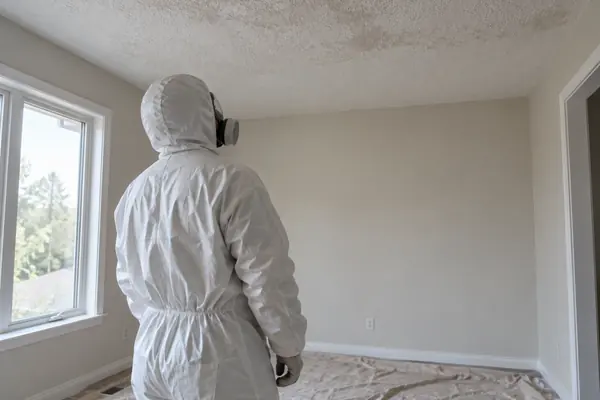
HSE lists textured coatings, asbestos insulating board, pipe and boiler lagging, cement products, floor tiles, water tanks and toilet cisterns among common places in pre-2000 buildings.
Check a material doodleconstruct
WHAT HSE GUIDANCE SAYS
Asbestos is harmless until it is disturbed.

DON'T DISTURB if in good condition
≈ 5,000 Asbestos-related deaths a year in Great Britain
Asbestos was used in homes and other buildings until it was banned in 1999. The Health and Safety Executive says the danger comes when its fibres are released into the air and breathed in, which is why drilling, sanding and refurbishment need care.
THE SHORT ANSWER
Good-condition asbestos is low risk.
Damage and DIY are where the danger starts.
WHERE
HSE lists textured coatings, asbestos insulating board, pipe and boiler lagging, cement products, floor tiles, water tanks and toilet cisterns among common places in pre-2000 buildings.
Check a materialOUTSIDE
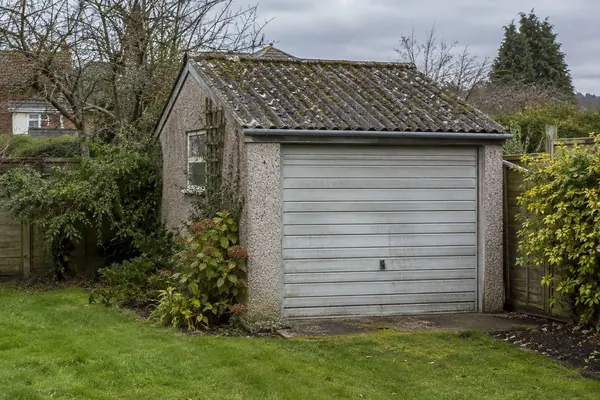
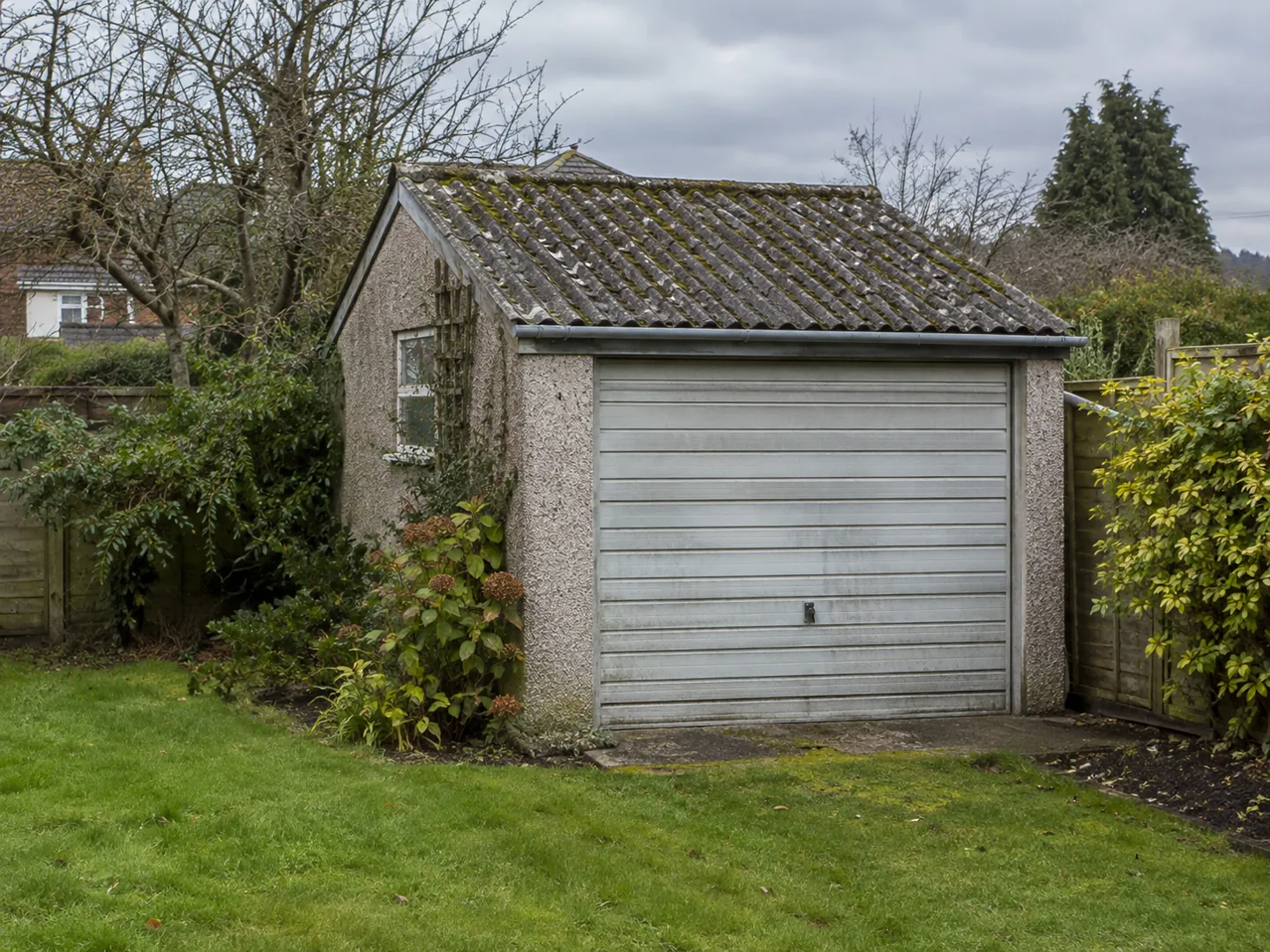
Asbestos cement is ordinary cement mixed with asbestos, sometimes over a third asbestos. It was moulded into roof sheets, gutters, flues and pipes.
What to doBUILDING WORK
HSE says to tell builders and contractors about any asbestos before they start. Drilling, refurbishment and demolition are the jobs most likely to disturb it.
Why it mattersGeneral information only, not medical advice. For advice about your own health, speak to a doctor, pharmacist or other qualified health professional.
A QUICK MATERIAL CHECK
Pick a material that might contain asbestos to see what HSE guidance says about working on it. The bar shows how tightly that work is controlled.
Based on HSE's guidance on asbestos locations and its FAQs. HSE advises homeowners not to repair or remove asbestos themselves without training.
FOUR STEPS FOR AN OLDER HOME
These steps follow HSE's advice for people who think there may be asbestos in their home.
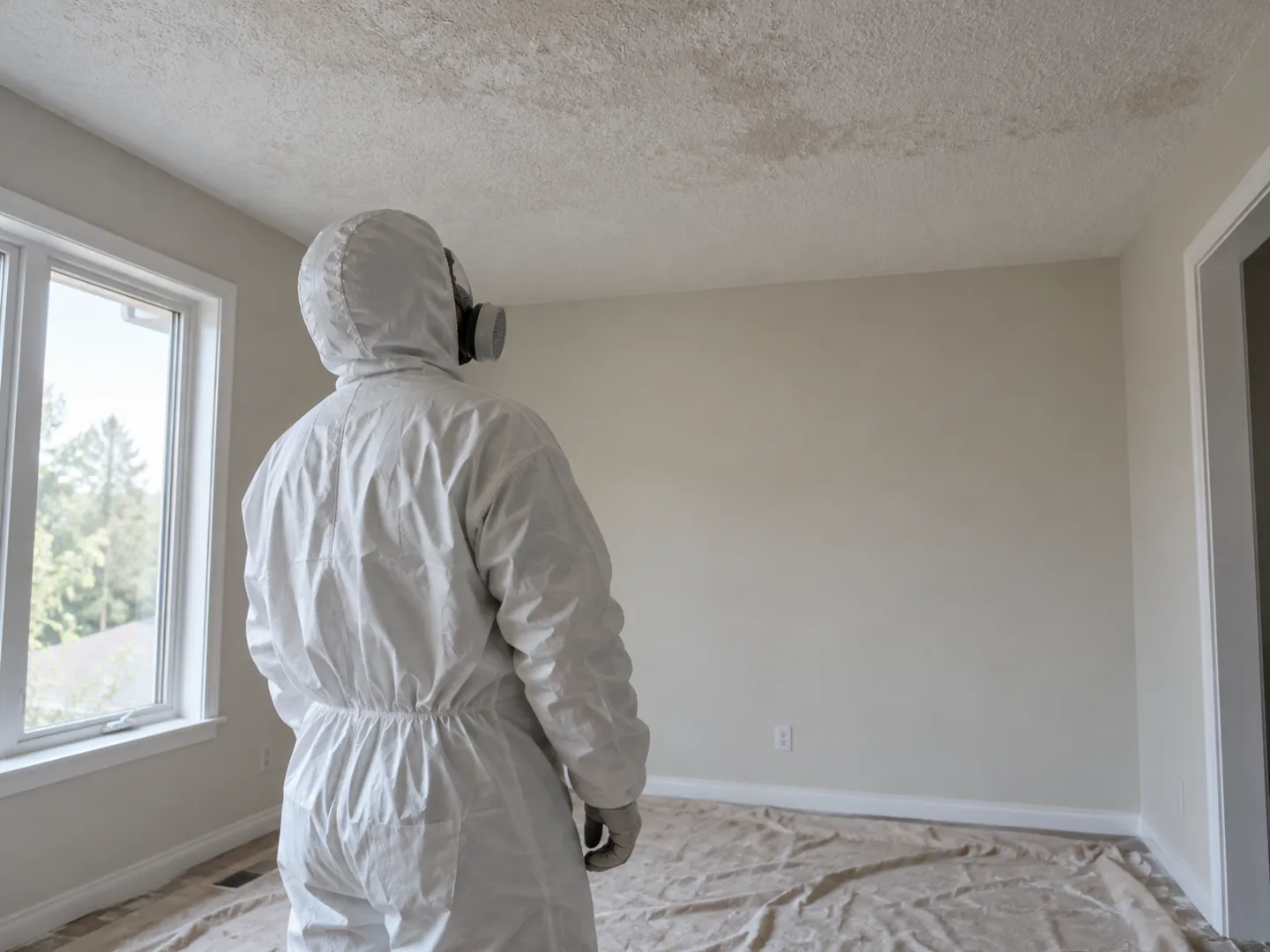
Any building built or refurbished before 2000 may contain asbestos. Buildings constructed after 2000 are unlikely to.
If it is in good condition and unlikely to be damaged, it is often best left where it is. Check its condition from time to time.
Before any repairs or improvements, tell builders and contractors about known asbestos. Your council's environmental health officer can advise.
Asbestos waste is hazardous waste and must not go in household rubbish. Ask your local council about collection or disposal sites.
TWO NUMBERS WORTH KNOWING
Asbestos diseases take decades to appear,
so today's deaths reflect past exposure.
≈ 5,000
Asbestos-related deaths a year in Great Britain
HSE calls asbestos the greatest cause of work-related deaths in Great Britain. The diseases typically take decades to develop and cannot be cured.
DEATHS · HSE
2,146
Mesothelioma deaths in Great Britain, 2024
Down from 2,255 in 2023 and an average of 2,508 a year over 2011 to 2020. Many deaths are linked to heavy industrial use of asbestos between 1950 and 1980.
MESOTHELIOMA · HSE 2026
HSE says it can take 15 to 60 years for symptoms to appear after exposure, and the effect of exposure is cumulative.
WHY DISTURBING IT MATTERS
Asbestos is made of tiny, invisible fibres that can be breathed in or settle on clothes. HSE says that when asbestos is in good condition and not disturbed, the risk of exposure is extremely low.
Exposure can cause mesothelioma, asbestos-related lung cancer, asbestosis and diffuse pleural thickening. Tradespeople and maintenance workers who disturb the fabric of buildings are most at risk, which is why contractors have legal duties to protect you and themselves.
Questions
HSE says asbestos may be part of any commercial or domestic building built or refurbished before 2000. It was banned in 1999, and buildings constructed after 2000 are unlikely to contain it.
Not necessarily. HSE says it is often best to leave asbestos where it is if it is in good condition and unlikely to be damaged. Badly damaged material that is likely to get worse should be removed if it cannot be protected.
HSE advises against repairing or removing asbestos materials yourself without training for non-licensed asbestos work. Textured coatings are low risk, but workers must be trained to recognise and handle asbestos safely.
Contractors working in your home have a legal duty to protect you from risks from their work, including asbestos. HSE says owner-occupiers are not legally responsible for risks to contractors, but you should tell them about any asbestos you know of.
It must be disposed of legally as hazardous waste, not mixed with household rubbish. Contact your local council about collection or special disposal facilities in your area.
Updated
ABOUT THIS NAME
doodleconstruct.com is part of the DoodleSale portfolio. It isn't in an auction right now, but you can ask about leasing it.